|
This is a continuation of a series on the Virginia Range horses and the Nevada Department of Agriculture. To understand the context of this report, please start at Part One.
|
|
THE NV DEPT. OF AG
NABS "JJ"
|

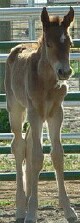
It reads like a plot from a cheap paperback novel. A foal from the free-roaming Virginia Range herd injured his lip and needed veterinary care. The Nevada Department of Agriculture (NDA,) even though it legally owns them, does not provide veterinary care for free-roaming horses. But in a bizarre power play NDA refused to let local residents have the horse treated. Instead the department snatched it off the range.
In years past NDA would send a department veterinarian to check on ill or injured horses found near populated areas. With budgets being cut, the region's non-profit horse groups stepped up to take on the responsibility for caring for injured range horses. However any such activities had to be done with the authorization of NDA. It was a good system as problems still got taken care of at no cost to Nevada taxpayers.
However the current administration appears to have taken on a more ominous track.
When representatives of the Hidden Valley Wild Horse Fund became aware of the foal's issue, they consulted with multiple veterinarians and contacted NDA. They had determined that the foal, nicknamed "JJ" by the locals, appeared to have a problem that could be corrected.

NDOA's response was quite revealing in regards to the current administration's position on these historic Virginia Range horses.
I know that you also got an opinion from a vet but these are wild/feral/estray animals and need to be treated as such, letting nature take its course. Your compassion for this foal is admirable but does not align with the long term sustainability of the Virginia Range estray horse population.
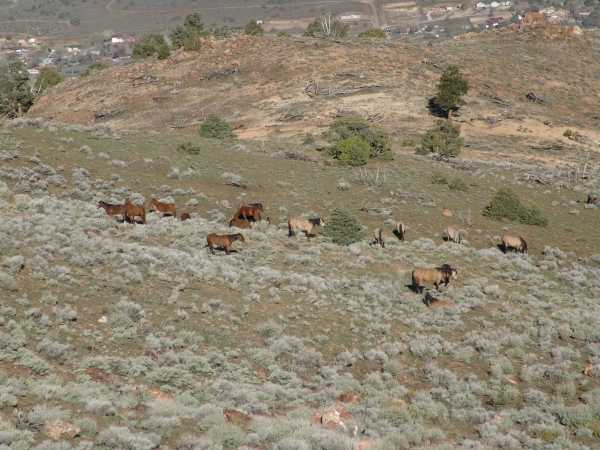
To put things in historical context, NDA has always had a two-tiered policy. Horses that roamed deep in the range away from urbanized areas lived and died according to natural forces. However horses that lived close to human populated areas or were present where a great deal of human outdoor activities took place were looked after.
Occasionally one of NDA's veterinarians would come out and treat an injured horse. In more severe cases, one of the non-profits would take responsibility for the animal. Everyone understands that the state government is in dire financial straits, so the groups have no problem picking up veterinary costs.
Just as puzzling is the last sentence in NDA's response. What does having a veterinarian treat this foal using private funds have anything to do with the long term sustainability of the Virginia Range (sic) estray horse population? It appears that NDA hasn't departed from its disgusting "pop 'em in the head and throw them in the landfill" approach to management.
Link: Landfill Foals: NDoA Does It Again
Residents were already on edge over an incident involving the death of a young pinto stud. This horse was discovered in Stagecoach with a significant wire cut on his leg. The Chairperson of the Town Board corralled the horse as significant bleeding would subside when the horse stood still, but started anew if he walked very far.

One of the horse groups was notified who, in keeping with established protocols and the law, notified NDA. The group offered to have the horse treated, however NDA ordered that the horse be brought to the Stewart Camp.
Residents discovered later that the horse had died at the camp. No specific evidence has surfaced that the horse was improperly treated however the incident fueled speculation among local citizens and concerns over NDA's methodologies.
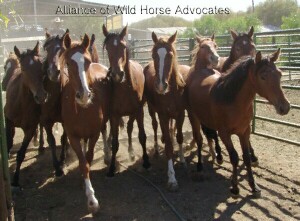
The pinto incident only increased the level of alarm when south Reno residents discovered that during an activity billed by NDA as the removal of "nuisance" horses from neighborhoods, the department apparently went out into a remote area and trapped JJ and his band.
Furthermore, NDA had categorically stated that they didn't have plans to remove any more horses (at the present time) however south Reno residents subsequently discovered NDA hauling out more horses from a remote area.
When residents posed questions to Blaine Northrup, they were repeatedly told, "You'll have to ask (Director) Barbee." A widespread complaint among citizens and even a few officials from other agencies is that Director Barbee seldom if ever returns phone calls. As a result, Northrup's responses were regarded as NDA's classic stonewall that the department puts up when people try to find out what is really going on.
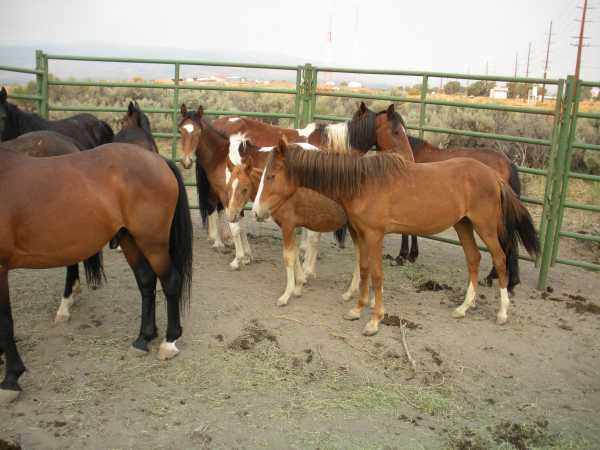
NDA has dug in its heels with respect to their position that all horses that they trap will go to the livestock sale in Fallon. This sale is frequented by the kill buyers. This issue is likely to explode if the horses end up going to Mexico or Canada to be slaughtered for table meat. Hopefully some groups and/or individuals with more humane motivations will step up and secure these horses and by doing so avoid a repeat of the tourist backlash of April, 2011.
Link: Horse Wars and their Chilling Effect on Tourism
As a retired employee of another state agency recently observed, "There's no benefit for the Department (of Agriculture) to not work with the non-profits. It only makes sense for them to delegate as much responsibility as they can."
The problem stems from the fact that nearly all of the non-profits carefully follow state laws regarding these horses and they expect NDA to do likewise. Director Barbee and some of his staff would rather ignore the law and do whatever they want to. Citizens and advocates who point out these violations and insist that NDA comply with the law are often dealt reprisals by the department.
When NDA steps outside the law and citizens or advocates challenge the department, instead of complying with the law the Department wastes time and taxpayer money on so-called "investigations" of its critics, occasionally violating additional laws in the process. Those actions are typically followed by someone in the department leaking fabricated suggestions that the advocates and groups are the lawbreakers or are simply troublemakers. These actions tend to subside when citizens have had enough and complain to the Attorney General.
In the words of another former state agency employee, "You have to accept that things aren't like they used to be when all the departments worked for the people of this state. Today some of these people just work for their own benefit."
That observation appears to be pretty accurate.
"Jump" Links
|